

What Are the Signs My Dog Needs Behavior Modification?
Occasional barking or leash pulling may simply call for practice. But when your pet snarls at approaching family members, panics when you leave, or lunges at every passing dog, a standard training routine is rarely enough.
The signs your dog needs behavior modification often include aggression, persistent fear, intense reactivity, resource guarding, separation distress, and behaviors that grow more frequent or disruptive. Identifying these developing issues early safeguards both your pet and your family home.
Key Takeaways
- Seek professional help for escalating growling, bites, severe fear, or self-injury.
- Track frequency, intensity, recovery time, and daily disruption.
- Mild barking, jumping, or pulling may improve with training and enrichment.
- Sudden behavior changes deserve a veterinary exam to rule out pain or illness.
- Behavior plans address triggers and emotions, not just commands.
When Does a Behavior Become More Than a Training Issue?
One excited jump does not indicate a behavioral disorder. However, recurring hyper-aroused responses or a lingering inability to settle down suggest a deeper underlying issue.
If reactions spread to more settings or force you to rearrange daily life, your dog may need behavior modification rather than another obedience lesson.
Pay attention to subtle non-verbal cues, too. Tucking the tail, licking the lips, looking away, or going rigid often signal stress long before active lunging or barking erupts. Always interpret these signals in context.
7 Signs Your Dog May Need Behavior Modification
Behavior modification for aggression, resource guarding, and reactivity starts with recognizing warning signs and preventing escalation.
1. Aggression or Escalating Warning Signals
Growling, baring teeth, snapping, or biting all require attention. Earlier warning signs include freezing, rigid postures, intense eye contact, or active avoidance.
Do not punish growling. Immediately increase distance from whatever triggered the reaction and consult a qualified behaviorist, particularly if a bite has occurred.
2. Intense Fear That Does Not Quickly Pass
A startled dog may recover quickly. Ongoing shaking, retreating to corners, refusing high-value treats, or visible distress warrant serious attention.
If visits or walks repeatedly overwhelm your dog, seek an individualized plan that respects their comfort level.
3. Persistent Reactivity on Walks
Barking, lunging, or pulling toward dogs, people, or vehicles can make walks difficult. Uncontrolled leash reactions do not always stem from aggression, as underlying fear or barrier frustration often looks identical.
If your dog cannot disengage despite extra space, seek guidance. The Doggo USA’s dog training services in Los Angeles address everyday leash challenges as well as more complex behavioral concerns.
4. Resource Guarding
Stiffening over food, growling near toys, or snapping when approached may signal resource guarding.
Never forcibly snatch prized items or test your pet’s threshold. Seek professional help, especially if you have children at home.
5. Separation Distress
Brief departure barking differs from persistent howling, pacing, drooling, escape attempts, or destruction when left alone.
A veterinary evaluation can clarify whether clinical anxiety is present and help structure a step-by-step plan for calm alone time. If possible, a routine home recording may help clarify what happens after you leave, without deliberately distressing your dog.
6. Repetitive or Self-Injurious Behavior
Constant tail chasing, pacing, or licking until skin is irritated may have medical or behavioral causes.
Should you notice skin breakdown or self-inflicted wounds, contact your veterinarian immediately.
7. Problems That Keep Getting Worse
A dog who once barked at the door may begin reacting to every sound or guest.
A professional should address escalating behavioral issues before personal safety or daily routines are severely compromised.
How Do Frequency and Intensity Affect the Need for Treatment?
The frequency and intensity of behavior matter as much as the specific action. A casual bark at a passing dog differs greatly from sustained lunging that leaves a dog stressed for twenty minutes.
Track how often reactions occur, their intensity, and how long recovery takes. Documenting environmental triggers and recent household changes provides essential context. Escalating responses deserve professional assessment.
One serious bite or self-injury episode warrants immediate help.
When recording incidents, note what happened immediately before and after each reaction. A detailed tracking log helps your vet or trainer spot behavioral patterns without triggering your dog.
Dog Behavior Modification Versus Basic Obedience Training
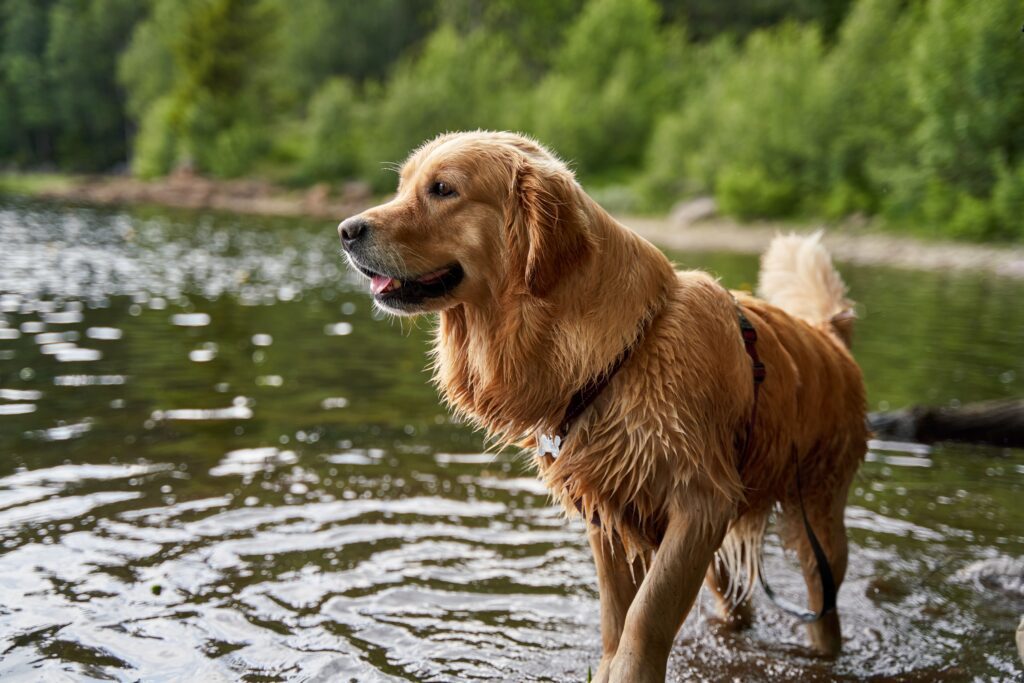
Dog behavior modification versus basic obedience training depends on what needs to change. Basic obedience equips a dog with functional commands, including sit, stay, recall, and loose-leash walking. Behavior modification addresses the triggers and emotional responses behind difficult behavior.
A dog may learn to sit near visitors yet still fear them. Systematic behavior modification helps dogs feel genuinely safe by combining environmental management, gradual exposure, and positive reinforcement.
For foundational skills, explore The Doggo USA’s dog training programs, which include obedience and specific behavior-challenge options after an evaluation.
Can Training, Environmental Changes, or Enrichment Resolve Mild Dog Behavior Problems?
Yes, training, environmental changes, and enrichment can resolve mild dog behavior problems. Many mild issues tied to boredom, overexcitement, or underdeveloped skills respond well to these adjustments.
Try manageable adjustments before a habit becomes entrenched:
- Reward four paws on the floor instead of jumping to greet visitors.
- Utilize baby gates or create extra distance to keep greetings structured and calm.
- Add sniff walks, food puzzles, and appropriate outlets for chewing.
- Schedule short, highly rewarding leash sessions in low-distraction environments.
For puppy-specific guidance, The Doggo USA’s article on when to start puppy training explains how to build those foundations.
If fear persists or these steps fail, seek guidance.
Which Dog Behaviors Require Immediate Professional Help?
Which dog behaviors require immediate professional help? Prioritize safety and contact a veterinarian or appropriately qualified behavior professional when you notice:
- A bite, repeated snapping, or aggression that puts people or animals at risk.
- Resource guarding habits occurring around young children or in situations where injury is likely.
- Severe panic, escape attempts, or injuries when your dog is left alone.
- Compulsive behaviors that lead to bodily harm or interrupt regular sleeping and eating patterns.
- Sudden aggression, confusion, or a dramatic personality change.
Until assessment, separate your dog from triggers and avoid forced interactions. Sudden behavioral shifts frequently stem from physical pain or underlying medical conditions, making a vet visit essential.
What Should You Do While Arranging Professional Help?

Until you have an assessment, focus on preventing another frightening or unsafe incident:
- Create distance from known triggers and choose quieter routes or visiting arrangements.
- Install sturdy barriers, crate systems, or private rooms to keep your home safe.
- Maintain predictable meals, rest, exercise, and enrichment without overwhelming your dog.
- Share a comprehensive history of bites, injuries, health updates, and previous training attempts with your behavior professional.
Avoid testing aggression, removing guarded objects by force, or exposing your dog repeatedly to frightening situations. Environmental management isn’t a complete solution, but it safely lowers stress while you finalize your long-term plan.
Can Punishment Make Dog Behavior Problems Worse?
Can punishment make dog behavior problems worse? Yes, particularly when the behavior is driven by fear or anxiety. Scolding, physical intimidation, or corrective collars often suppress outward warning signs without fixing the underlying stress driving the behavior.
The American Veterinary Society of Animal Behavior recommends reward-based methods for both training and behavior modification because aversive approaches carry welfare and behavior risks. For frightened dogs, prioritize safety and predictability over suppressing reactions. A quieter dog is not necessarily a more comfortable dog if the underlying fear remains.
What Do Current Evidence-Based Dog Behavior Modification Methods Recommend?
Current evidence-based dog behavior modification methods and recommendations emphasize understanding why the behavior occurs and making the situation safer while the dog learns.
Tailored protocols frequently pair systematic desensitization and counterconditioning with alternative behavioral outlets and safe management. Severe anxiety, aggression, or compulsive behavior may also require veterinary care or medication.
Recovery timelines vary for every animal. Always verify a professional’s credentials and force-free methodology, especially when addressing aggression or panic disorders. The goal is greater safety and coping, never forced exposure. Find more tips on The Doggo USA’s dog training blog.
Get Support Before Behavior Problems Escalate
Recognizing the signs that your dog needs behavior modification is the first step. The Doggo USA helps families across Los Angeles and Orange County with structured training and owner follow-up.
Have a veterinarian evaluate sudden or severe changes first. Then contact The Doggo USA to discuss your dog’s needs and arrange an evaluation.